⚠️ A Note Before You Read This Section
"I have heard concerns within the IVF community about the efficacy of Fertilysis testing and whether the results justify the cost. These concerns came to me through the IVF community on Instagram — not from published research. I cannot confirm or deny them from my own personal experience.
What I can say is: before spending over $1,000 on any microbiome testing ask hard questions. There are less expensive options available. Do your research. This is not a recommendation for or against Fertilysis — it is a caution to go in informed."
- Standard uterine cultures miss a lot — they only detect bacteria that grow in traditional lab conditions, which is a fraction of what's actually present
- Next-generation sequencing and qPCR testing are significantly more sensitive — they detect bacterial DNA directly rather than relying on bacteria to grow in a culture
- Two options worth knowing about: MicroGen DX (US-based, requires a doctor order) and Fertilysis (ships worldwide, can order online)
- MicroGen DX is the more affordable option — $150 to $355 for most infection panels
- I paid approximately $1,292 for Fertilysis testing at Victory Reproductive Care — I have heard concerns in the IVF community about whether the results justify the cost and flag it as something worth researching carefully before committing
- Neither of these replaces testing specifically for endometritis (CD138 biopsy) or ureaplasma (PCR culture) — those are separate tests covered in the full guide
Why Standard Cultures Miss Things
Standard bacterial cultures — the kind most clinics routinely run — only detect bacteria that grow successfully in a lab setting. Research suggests that free-floating bacteria make up less than 1% of bacterial cells in natural pathogenic ecosystems. The rest live in biofilms or inside cells where traditional cultures simply cannot reach them.
This is particularly relevant for ureaplasma — which requires a specialized PCR culture to detect, not a standard swab. It is also relevant for chronic endometritis, which has no obvious symptoms and can be missed even on standard testing.
Next-generation sequencing and qPCR testing detect bacterial DNA directly — meaning they can find organisms that would never show up on a standard culture.
MicroGen DX
MicroGen DX uses advanced DNA sequencing technology to identify infections more accurately than traditional culture testing. They offer panels for reproductive health including testing for ureaplasma, mycoplasma, chlamydia, and other organisms linked to implantation failure.
- Cost: $150 to $355 for most infection panels (self-pay) — may be lower with insurance
- Requires a physician order — you cannot order this yourself directly
- Available in the US
- Reports include viral loads and antimicrobial treatment recommendations
- Worth asking your fertility clinic or OB to order if you have had unexplained implantation failure or recurrent infections
If your clinic won't order it, Sesame Care (sesamecare.com) is an option — book a telehealth appointment with a board-certified doctor who can order it for you.
Fertilysis
Fertilysis is a company that offers vaginal and uterine microbiome testing including analysis for chronic endometritis, microbiome dysbiosis, and infections linked to infertility. They ship testing kits worldwide and results are delivered by email.
Their Female Microbiome panel includes testing for Lactobacillus dominance, bacterial vaginosis-related organisms, ureaplasma, mycoplasma, chlamydia, and viruses including CMV, EBV, HSV-1, HSV-2, and HHV-6.
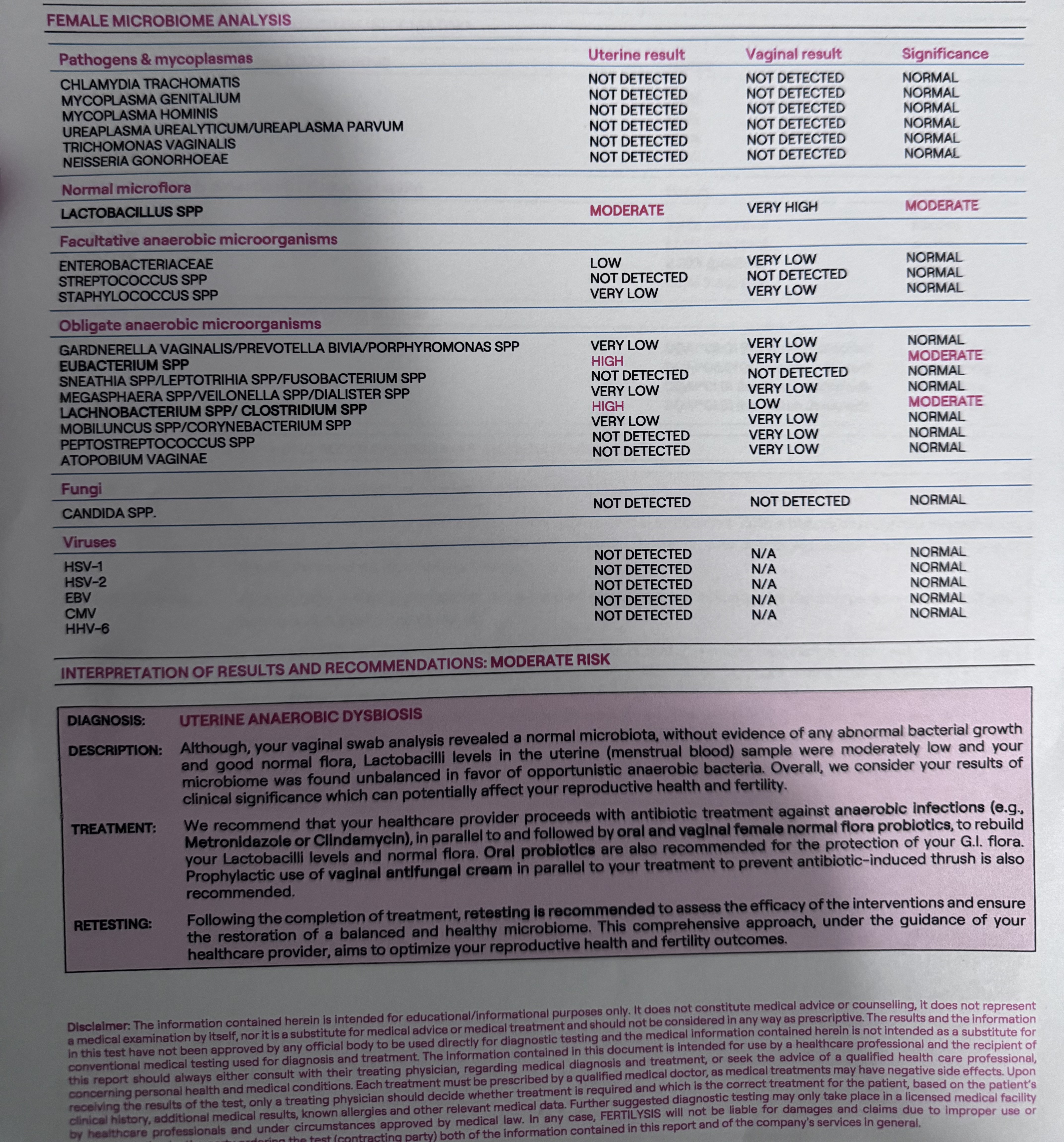
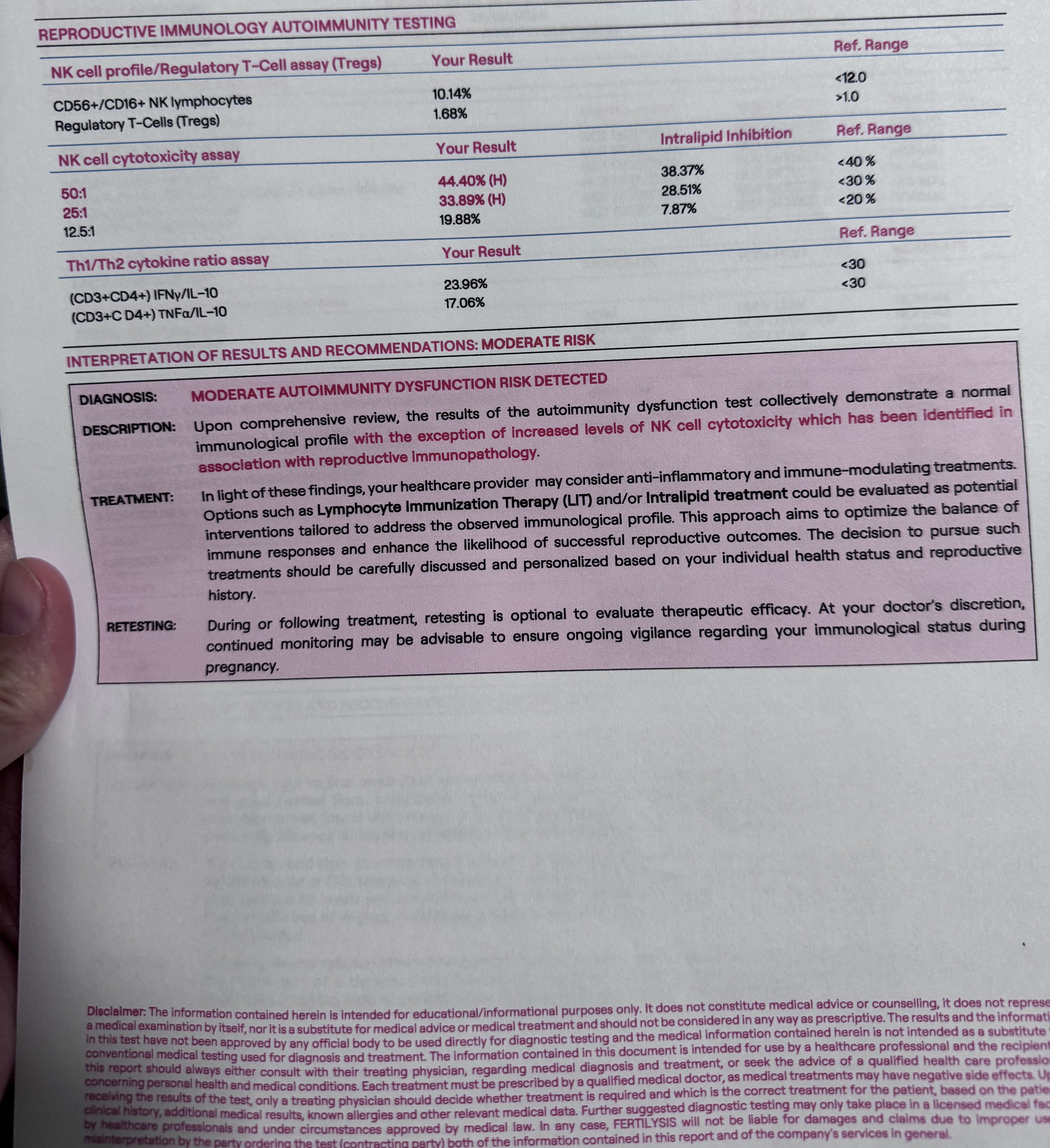
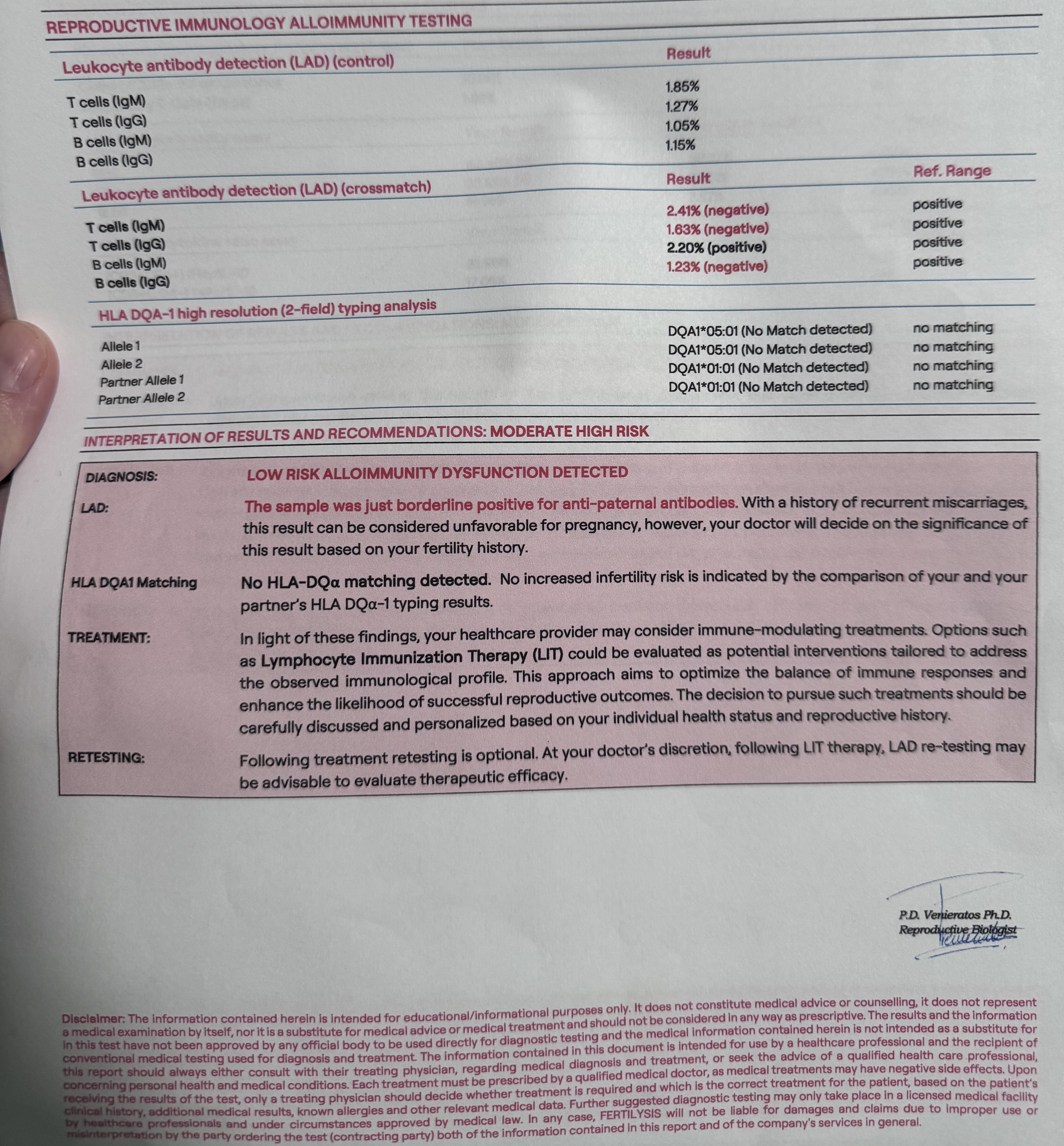
My Fertilysis test results — personal identifying information has been removed. Shared here so you can see what the results actually look like before deciding whether to pursue this testing.
I paid approximately $1,292 for Fertilysis testing at Victory Reproductive Care as part of our protocol there.
I want to be honest: I have come across concerns in the IVF community — specifically on Instagram — questioning whether Fertilysis results meaningfully change treatment outcomes or justify the cost. I cannot confirm or deny this from my own experience and I have not found published research specifically evaluating Fertilysis as a product. It is something worth researching carefully and asking hard questions about before committing to the cost.
If your clinic recommends Fertilysis ask specifically:
- What exactly does this panel test for?
- How will the results change my treatment protocol?
- Is there published independent research validating this test's clinical value?
- Are there less expensive alternatives that test for the same things?
Dr. Victory's In-House Microbiome Testing
I have heard through other patients that Victory Reproductive Care now offers their own in-house version of microbiome testing. I have no personal experience with this and cannot speak to it. If you are a patient at Victory and this is recommended to you — ask the same questions listed above before committing.